Annual Drinking Water Quality Report Town of Hickory PWS ID # 0510006 April 2020
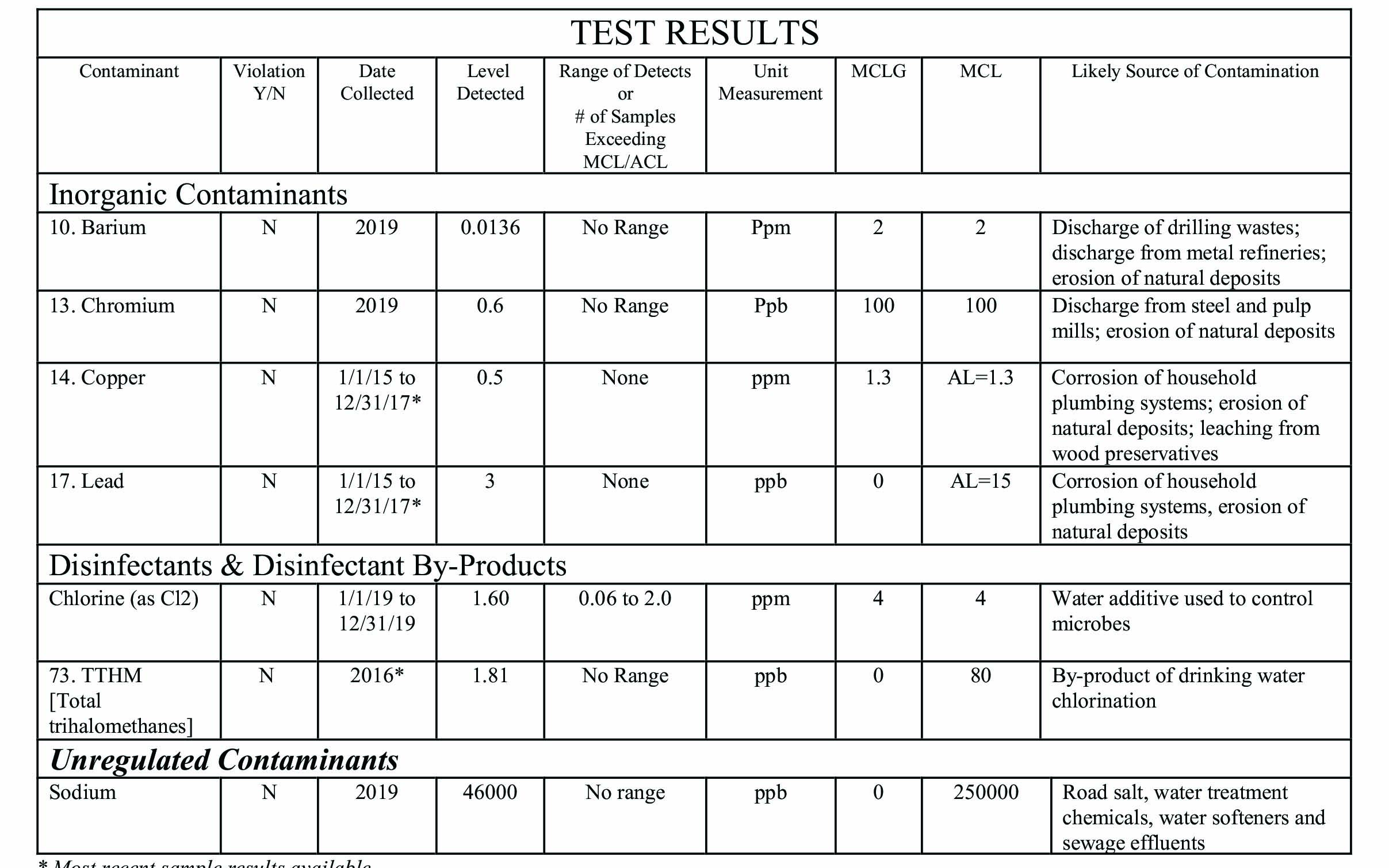
We're pleased to present to you this year's Annual Water Quality Report. This report is designed to inform you about the quality water and services we deliver to you every day. Our constant goal is to provide you with a safe and dependable supply of drinking water. We want you to understand the efforts we make to continually improve the water treatment process and protect our water resources. We are committed to ensuring the quality of your water. Our water source consists of 2 wells that draw from the Sparta Sand and Meridian Upper Wilcox Aquifers. A source water assessment has been completed for the water supply to determine the overall susceptibility of its drinking water to identify potential sources of contamination. The water supply for the Town of Hickory received a moderate susceptibility ranking to contamination. We’re pleased to report that our drinking water meets all federal and state requirements. If you have any questions about this report or concerning your water utility, please contact Fred Snow at 601-646-2211. We want our valued customers to be informed about their water utility. If you want to learn more, please attend any of our regularly scheduled meetings. They are held on the 1st Tuesday of each month at the Hickory Town Hall at 5:30 pm. The Town of Hickory routinely monitors for constituents in your drinking water according to Federal and State laws. This table shows the results of our monitoring for the period of January 1st to December 31st, 2019. As water travels over the land or underground, it can pick up substances or contaminants such as microbes, inorganic and organic chemicals, and radioactive substances. All drinking water, including bottled drinking water, may be reasonably expected to contain at least small amounts of some constituents. It's important to remember that the presence of these constituents does not necessarily pose a health risk. In this table you will find many terms and abbreviations you might not be familiar with. To help you better understand these terms we've provided the following definitions: Action Level - the concentration of a contaminant which, if exceeded, triggers treatment or other requirements which a water system must follow. Treatment Technique (TT) - A treatment technique is a required process intended to reduce the level of a contaminant in drinking water. Maximum Contaminant Level - The “Maximum Allowed” (MCL) is the highest level of a contaminant that is allowed in drinking water. MCLs are set as close to the MCLGs as feasible using the best available treatment technology. which there is no known or expected risk to health. MCLGs allow for a margin of safety.
Monitoring and Reporting of Compliance Data Violations: We are required to monitor your drinking water for specific constituents on a monthly basis. Results of regular monitoring are an indicator of whether or not our drinking water meets health standards. During 10/1/2019 -12/31/2019 we did not monitor or test for bacteriological contaminants nor chlorine and therefore, cannot be sure of the quality of our drinking water during that time. The number of samples required was 3 and the number of samples taken was 2. The Town of Hickory was required to perform a Level 2 assessment under the Revised Total Coliform Rule. E.coli are bacteria whose presence indicates that the water may be contaminated with human or animal wastes. Human pathogens in these wastes can cause short-term effects, such as diarrhea, cramps, nausea, headaches, or other symptoms. They may pose a greater health risk for infants, young children, the elderly, and people with severely compromised immune systems. We found E.coli bacteria, indicating the need to look for potential problems in water treatment or distribution. When this occurs, we are required to conduct assessment(s) to identify problems and to correct any problems that were found during these assessments. We were required to complete a Level 2 assessment because we found E.coli in our water system in a repeat sample following a total coliform-positive routine sample. A Level 2 assessment is a very detailed study of the water system to identify potential problems and determine (if possible) why an E.coli MCL violation has occurred and/or why total coliform bacteria have been found in our water system. In addition, we were required to take two (2) corrective actions and we completed two (2) corrective actions. Additional Information for Lead If present, elevated levels of lead can cause serious health problems, especially for pregnant women and young children. Lead in drinking water is primarily from materials and components associated with service lines and home plumbing. The Town of Hickory is responsible for providing high quality drinking water, but cannot control the variety of materials used in plumbing components. When your water has been sitting for several hours, you can minimize the potential for lead exposure by flushing your tap for 30 seconds to 2 minutes before using water for drinking or cooking. If you are concerned about lead in your water, you may wish to have your water tested. Information on lead in drinking water, testing methods, and steps you can take to minimize exposure is available from the Safe Drinking Water Hotline or at http://www.epa.gov/safewater/lead. The Mississippi State Department of Health Public Health Laboratory offers lead testing for $10 per sample. Please contact 601.576.7582 if you wish to have your water tested. All sources of drinking water are subject to potential contamination by substances that are naturally occurring or man made. These substances can be microbes, inorganic or organic chemicals and radioactive substances. All drinking water, including bottled water, may reasonably be expected to contain at least small amounts of some contaminants. The presence of contaminants does not necessarily indicate that the water poses a health risk. More information about contaminants and potential health effects can be obtained by calling the Environmental Protection Agency’s Safe Drinking Water Hotline at 1-800-426-4791. Some people may be more vulnerable to contaminants in drinking water than the general population. Immuno-compromised persons such as persons with cancer undergoing chemotherapy, persons who have undergone organ transplants, people with HIV/AIDS or other immune system disorders, some elderly, and infants can be particularly at risk from infections. These people should seek advice about drinking water from their health care providers. EPA/CDC guidelines on appropriate means to lessen the risk of infection by cryptosporidium and other microbiological contaminants are available from the Safe Drinking Water Hotline (800-426-4791). This report is being published in the paper and will not be mailed. Please call our office if you have questions. Publish Date: August 12